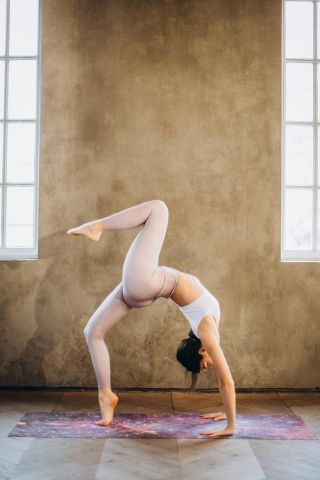
 Source: Pexels/Elina Fairytale
Yoga continues to grow in popularity among women around the globe. In addition to physical strength and flexibility, its focus on mindfulness encourages body awareness, spirituality, and emotion. These multiple benefits can make yoga an inclusive practice suitable for the diverse health needs of different women. Despite these benefits, some researchers are concerned that the increased commercialization of yoga has changed its focus from mindfulness to the "looks" of the body common in popular fitness culture.
A Yoga Body in the Print Media
Webb and colleagues (2017) observed a mass media emphasis on "a yoga body:" a thin and lean body marketed under “the guise of empowering health and wellness” (p. 87). This strategy, the researchers argued, uses a narrowly defined yoga body as an aspiration to allure women to yoga. Instead of a positive relationship with one’s body, such promotion of yoga can lead to negative body image.
To examine if the yoga body, indeed, dominates popular yoga marketing, the research team conducted a systematic analysis of female cover models from three leading yoga lifestyle magazines published between 2010–2015 (Yoga Journal, Om Yoga & Lifestyle, and Yoga Magazine). Their final sample included 142 covers with one female model (48 covers from Yoga Journal; 46 covers from Om Yoga & Lifestyle; and 48 covers from Yoga Magazine).
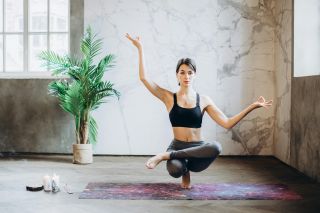 Elina Fairytale
The researchers found that the large majority of female cover models were white and in their 20s and 30s with thin and lean bodies and small breasts. Most were pictured in active yoga poses wearing tight-fitting yoga attire. These images, the researchers concluded, resembled the female models used to market the popular women’s health and fitness magazines. In the media, then, yoga is sold using a similar focus on appearance to other women’s fitness modalities.
A Yoga Body on Social Media
As yoga, similar to other fitness forms, is now visible on social media, Hinz and colleagues (2021) expanded the analysis of the yoga body to Instagram. As thin and toned fit bodies are common on social media, they anticipated finding a yoga body similar to that which Webb and colleagues observed in the yoga print magazines.
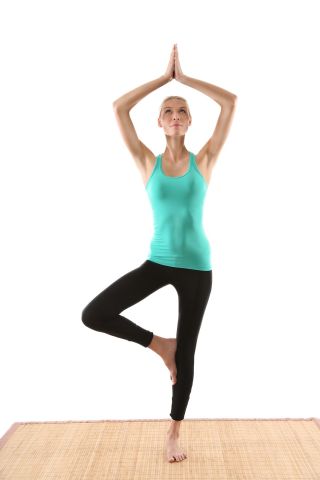 Source: 089photshooting/Pixabay
A Yoga Body as an Object
The researchers considered the thin yoga body particularly damaging for women’s body image because of yoga’s foundation as a holistic, mindful practice of well-being. The ideal yoga body appeared even more narrowly defined than the typical fit feminine body, as it lacked muscle definition. As an additional requirement, the yoga body was to perform potentially unsafe advanced yoga asanas that Hinz and colleagues found running counter to the traditional goals of yoga. The researchers added that the idealized images of the yoga body were not necessarily representative of a typical yoga class or individual yoga practice.
Both research teams called for more realistic media representations of yoga practice. At the same time, Webb and colleagues suggested that there should be training in media literacy skills, particularly if yoga is used in health promotion. Such training helps assess more critically the media representations and assists individual yoga practitioners to find their personal goals and an appropriate type of yoga to match these goals.
A Yoga Body as a Process
Hinz and colleagues also emphasized that not all yoga practitioners on Instagram focus on the yoga body as an object: a body with separate body parts to be visually evaluated against the body ideal. Instead, there can be a focus on the body’s functionality and what it can do (a body as a process). An emphasis on functionality can further help develop individual wellness goals through yoga. The researchers noted that there are already calls for more diverse representations of yoga practice through such social media movements as ‘The Yoga and Body Image Coalition’ (#thisiswhatayogilookslike).
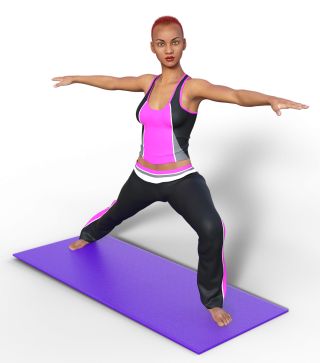 Source: Anaterate/Pixabay
It is interesting that in the commercialized media context, yoga has to be marketed as building an idealized, very narrowly defined body. If the focus on the looks of the body runs counter to yoga’s focus on developing a positive relationship with one’s body–listening to the needs of one’s body, mindfulness, body awareness–already attracting women to yoga, why not promote these qualities?
Media Essential Reads How TV Lies to Us About Romance and Attraction
 Do UV Tanning Beds Really Prolong Lifespan?
If yoga is promoted as a safe, inclusive, long-term practice of wellness instead of a way of building a thin yoga body, it can be an embodying activity adapted to the individual women’s needs. As such, it can have the capacity to promote a positive body image and a lifelong practice of wellness inclusive of women from different backgrounds and skill levels.