October is National Bullying Prevention Month. In the aftermath of the pandemic, global conflict, and heading into an election season, it feels like we live in a world full of bullies. We need role models who demonstrate kindness now more than ever. Bullying does not just happen to young people, but developing brains are at the greatest risk of long-term damage from the chronic stress of abuse (Çalışkan et al., 2019). Taking a stand against bullying wherever we see it is vital so that we can foster online and offline environments where people treat each other with respect.
Bullying can have harmful and severe mental health on people, and the perpetrators of abuse—bullies—don’t “grow out of it.” They go on to bully their partners, colleagues, friends, and neighbors, leaving scars along the way. Watching a bully in action, or someone being bullied, can be uncomfortable and even scary, making us not want to get involved. But being a silent bystander is worse. It actually supports the bully. We can all choose to be "upstanders" and actively work to stop bullying and promote a positive environment.
Here are seven ways you can shift the tide toward kindness.
1. Recognizing bullying is your first line of defense
Before you can stand up to bullies, you have to recognize bullying when it happens. Bullying can take various forms, including physical, verbal, and online, or cyberbullying. Physical bullying is what most people think of when bullying is mentioned, thanks to the stereotypes of jocks and nerds, but exclusion, spreading false information or sensitive information, hazing, and verbal and sexual harassment are all forms of bullying. Humor at someone’s expense isn’t funny; it’s bullying.
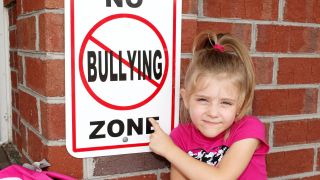 Source: Barbara/Getty Image Signature
What You Can Do:
- Educate yourself on the different forms of bullying.
- Stay vigilant to signs of bullying, including changes in the target's behavior, and intervene early if possible.
- Engage in conversations about bullying to foster awareness in your community.
2. Developing empathy
Understanding and sharing the feelings of another is the cornerstone of empathy and helps you relate to the experiences and emotions of someone who is the target of bullying. Empathy not only helps in understanding the gravity of the situation but also in coming up with sensitive ways to address the issue.
What You Can Do:
- Encourage open dialogues where kids can share their experiences without fear of judgment.
- Seek to understand rather than to respond, giving targets a safe space to express themselves.
- Reflect on your behavior to ensure that you are promoting empathy and understanding in your actions and words.
3. Good communication is key in addressing bullying situations
Being an upstander often involves having difficult conversations with both the bully and the target. Learn to communicate effectively, emphasizing understanding and kindness so that you address the issue without escalating it further. Be thoughtful about the words you use to describe a bullying situation. Calling someone who has been bullied a "victim" can be disempowering and influence how they see themselves at a time when they are feeling particularly powerless. Referring to someone who has been bullied as a target keeps the blame on the bully. Remember also that bullies are often troubled, not just "mean." Conversations might involve bringing the issue to the attention of another parent or school personnel who can provide additional support.
What You Can Do:
- Use “I” statements to express your feelings without accusing others.
- Listen actively to everyone involved, fostering a space of understanding and resolution.
- Seek the help of a trusted adult or authority if the situation escalates.
4. Education is key
Equip yourself with the knowledge of the repercussions of bullying. Understanding the psychological and physical harm that bullying can cause can sometimes provide the motivation to stand up against bullying. Educating others around you can also help in creating a community of upstanders. It can also help to learn about the motivations for bullying.
THE BASICSWhat You Can Do:
- Read up on recent research findings on bullying to stay informed.
- Attend workshops or seminars on bullying prevention.
- Disseminate information on the adverse effects of bullying through school or community meetings or social media platforms.
5. Lead by example to set a precedent for others to follow
Leading by example is possibly the most potent tool in an upstander's toolkit. Display behavior that shuns bullying and promotes inclusivity. When others see you stepping up to stop bullying, it might encourage them to do the same. Research has shown that bystander interventions can be successful in preventing bullying by disrupting power patterns (Polanin, Espelage, & Pigott, 2012). Being an effective bystander often involves learning how to intervene safely and effectively in situations where bullying occurs--these are powerful conflict resolution skills for kids.
Bullying Essential Reads What Are the Differences Between a Bully and a Narcissist?
 Let’s Stop Normalizing Sibling Rivalry
What You Can Do:
- Demonstrate inclusivity in your actions and words.
- Reject derogatory language and encourage others to do the same.
- Share your experiences of being an upstander to inspire others.
6. Encourage Reporting
Encourage individuals to report instances of bullying to a teacher, a parent, a trusted adult, or a supervisor rather than fight back. Reporting not only addresses a specific incident but also makes school administrators and parents aware of the frequency of bullying events. This knowledge can bring formal mechanisms into play that can address bullying more systematically.
What You Can Do:
- Be available for people, especially kids, who wish to share their experiences with bullying.
- Guide individuals on how to report bullying incidents correctly.
- Promote a culture of reporting through awareness campaigns in your school or community.
7. Implementing Interventions to turn bystanders into upstanders
Interventions are sets of skills and behaviors that are effective at changing behavior. They can play a vital role in preventing bullying and encouraging upstander behavior.
What You Can Do:
- Learn about bystander interventions through resources such as books, online courses, or community programs, and encourage your child’s school and other organizations to adopt them.
- Role-play different scenarios with your kids, family, and friends to make everyone more comfortable intervening.
Being an upstander is not always easy, but it is crucial in building communities that are safe, respectful, and inclusive. It is a process of continuous learning, actively promoting a culture of respect, empathy, and understanding, and a willingness to step up and take responsibility for the well-being of others. Every small step counts in the fight against bullying.